




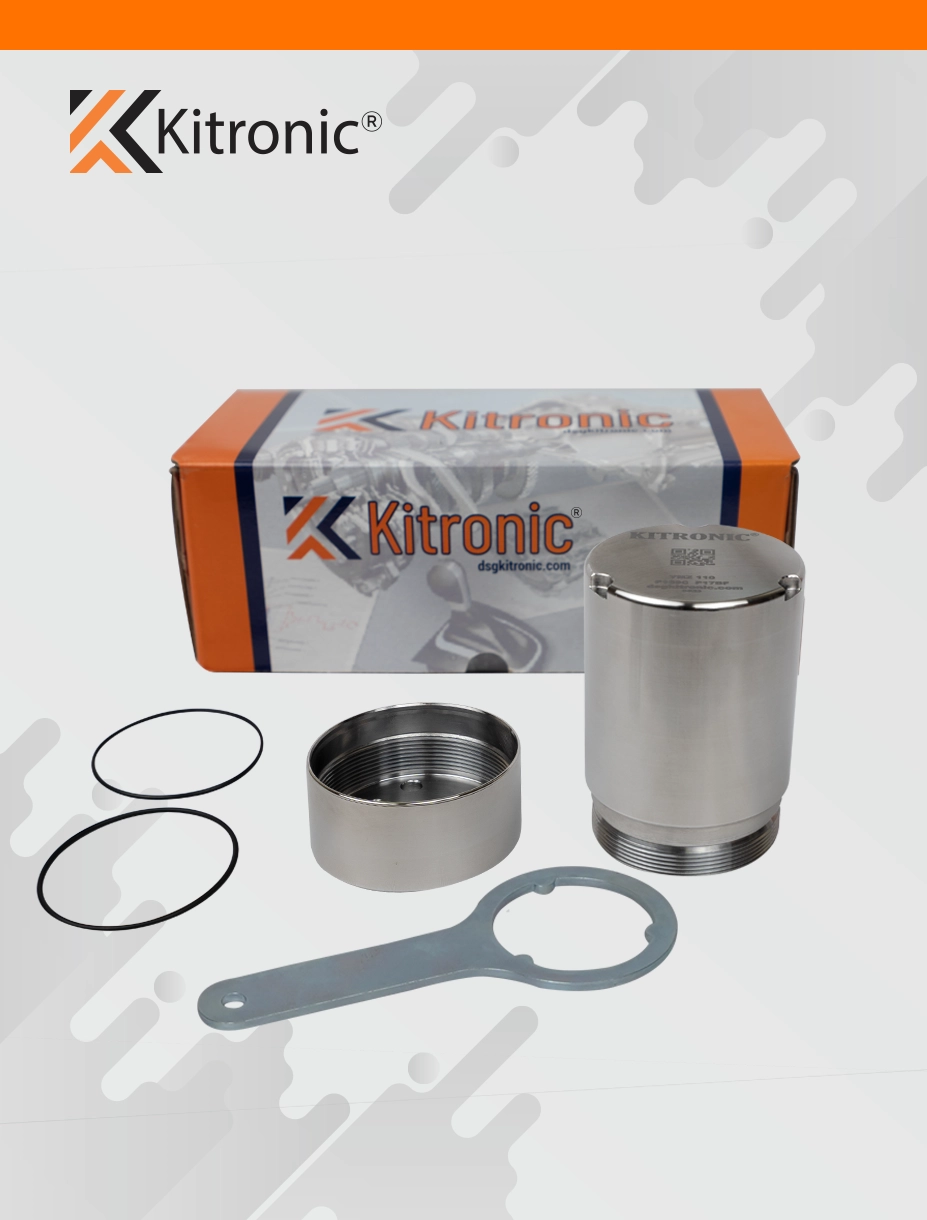
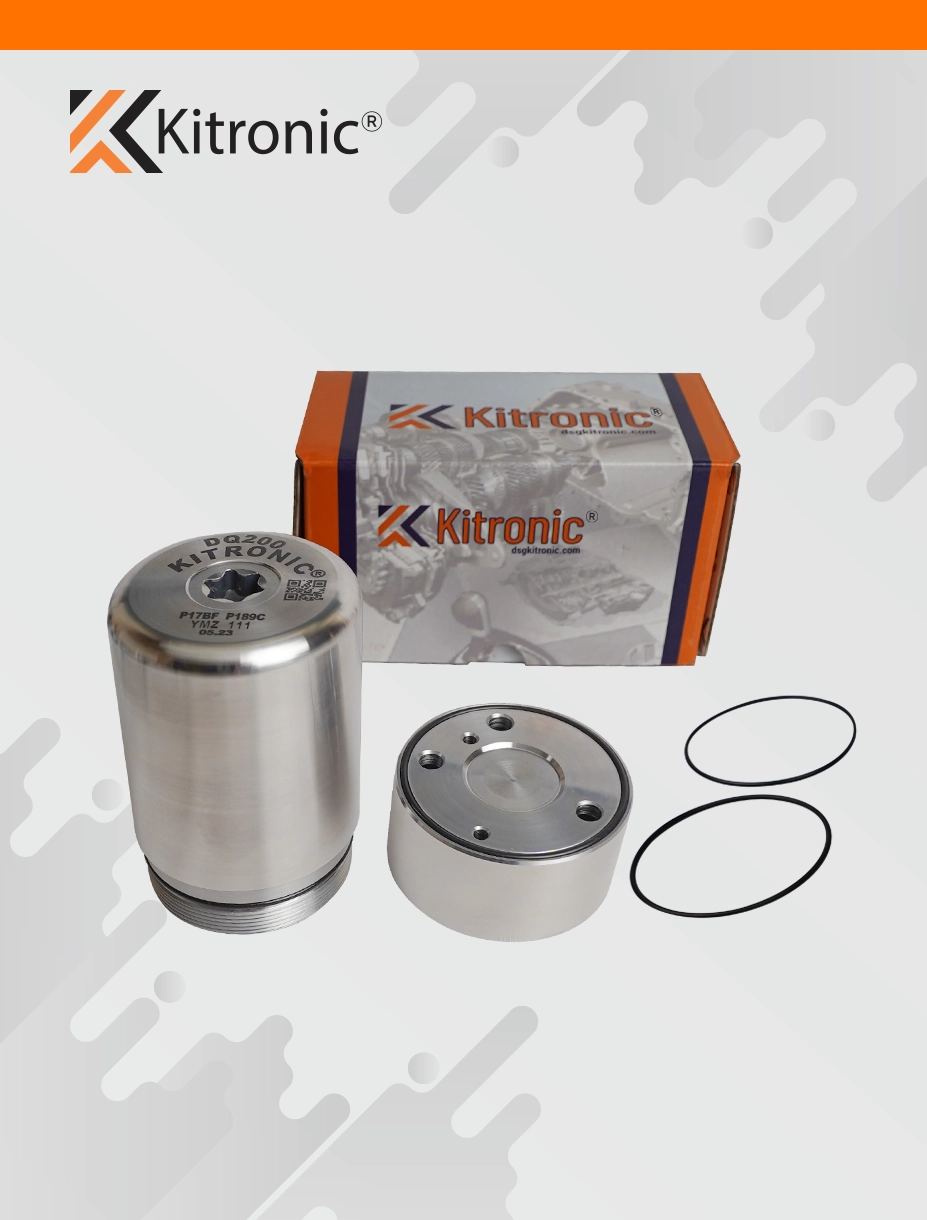
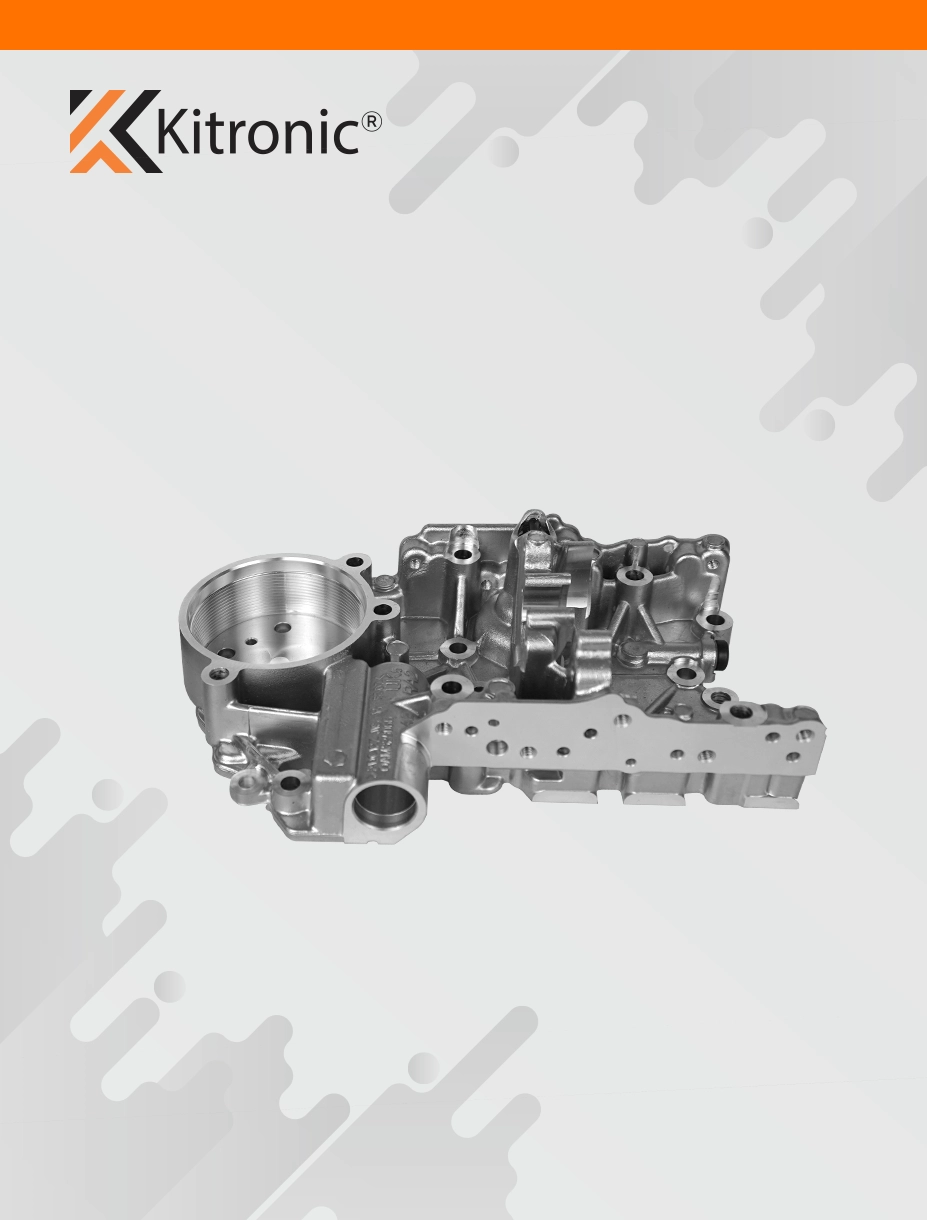
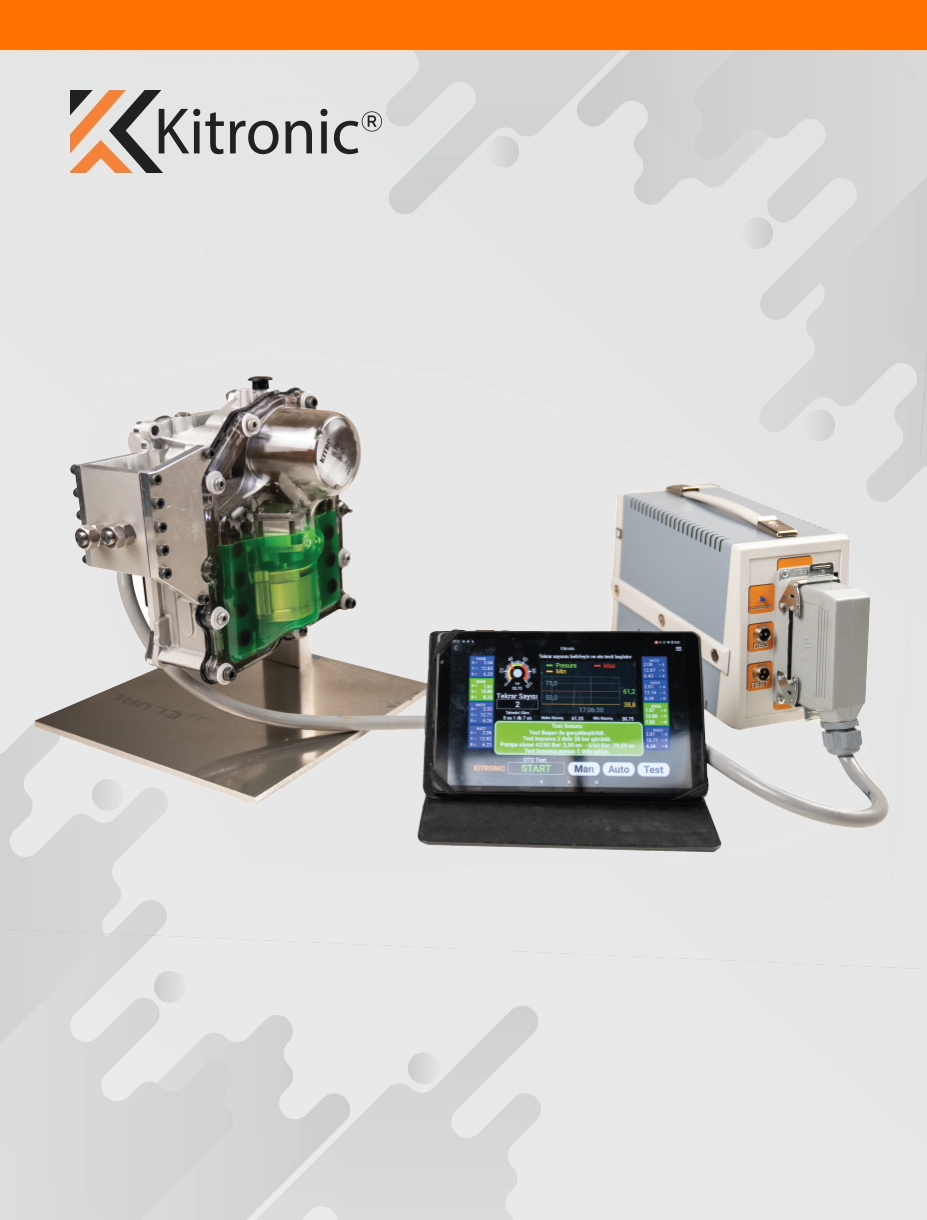
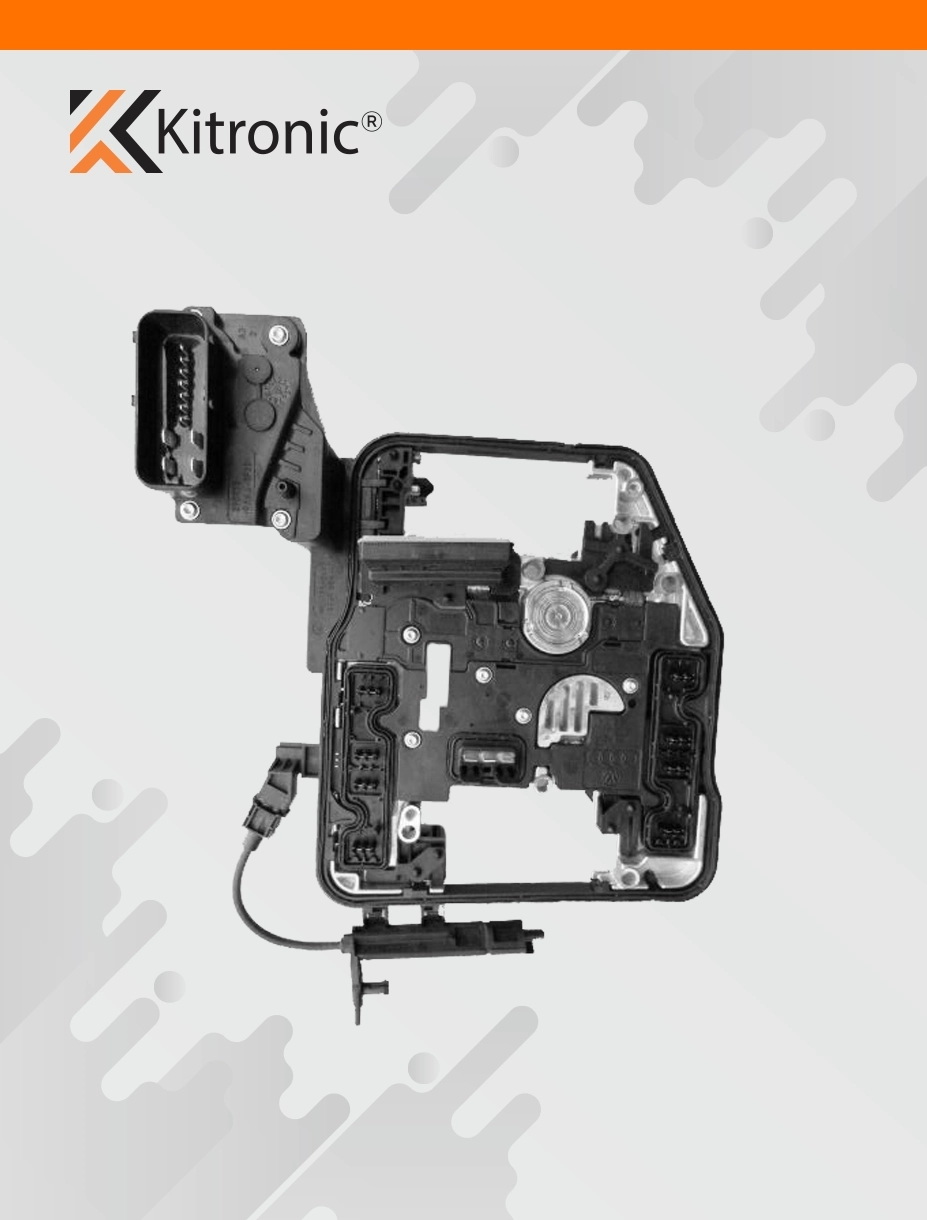
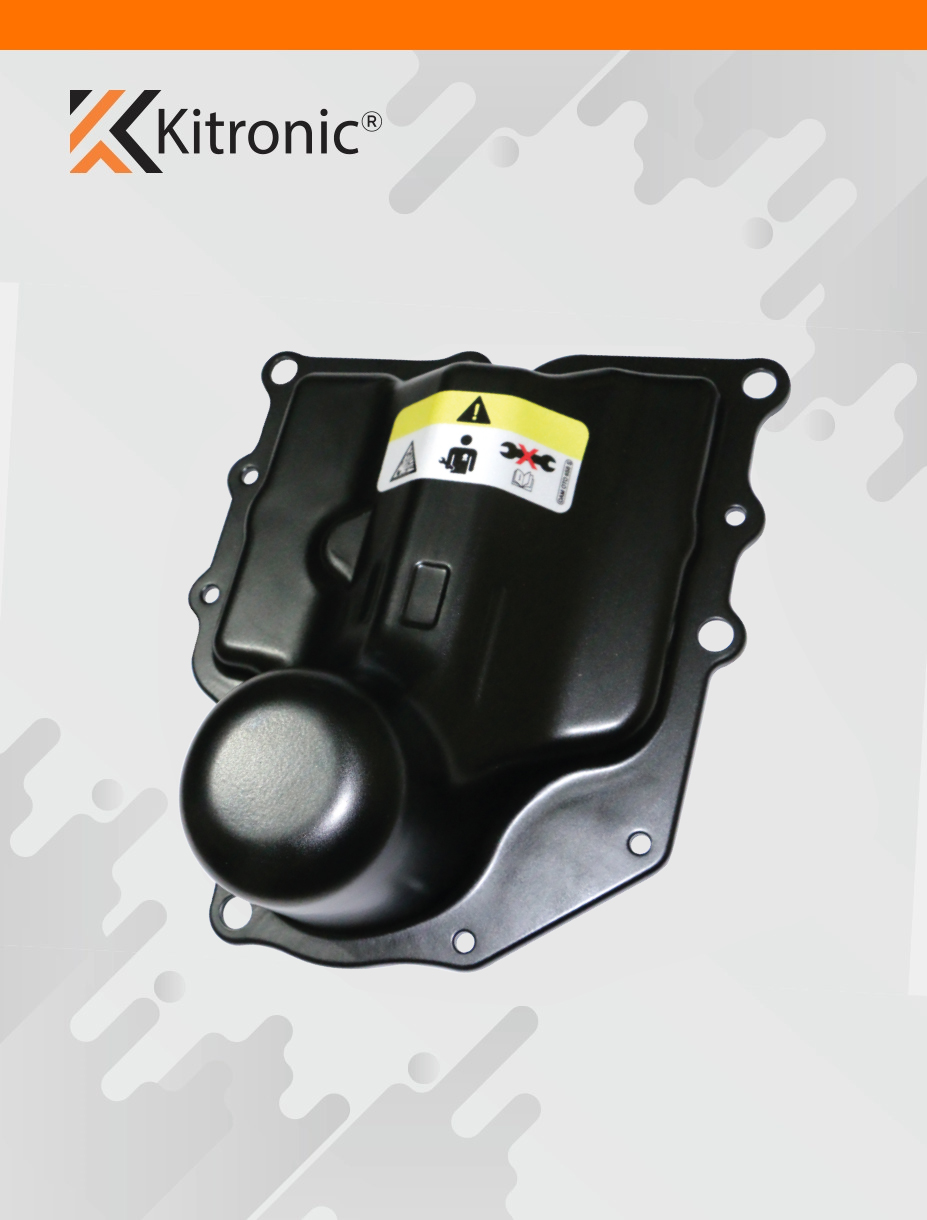
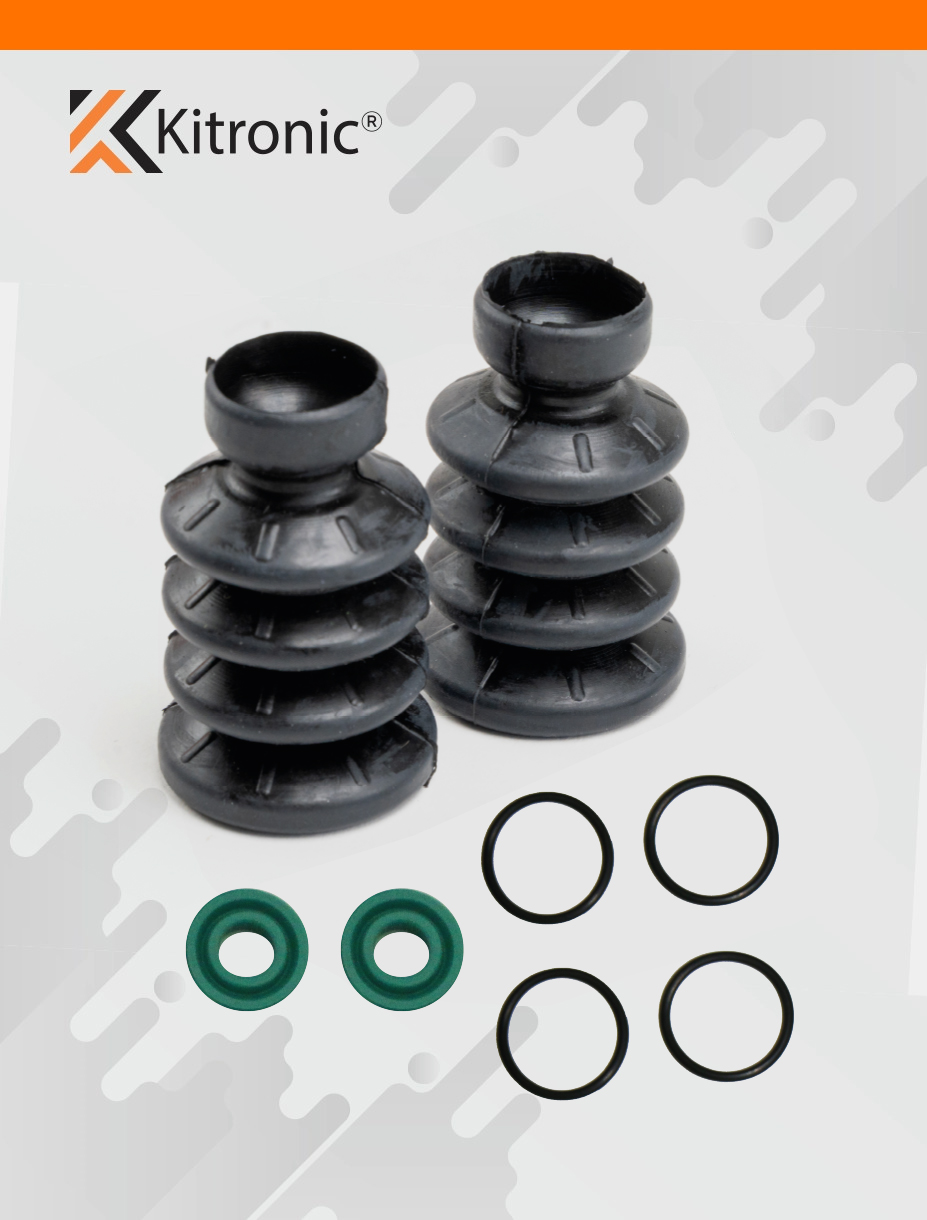
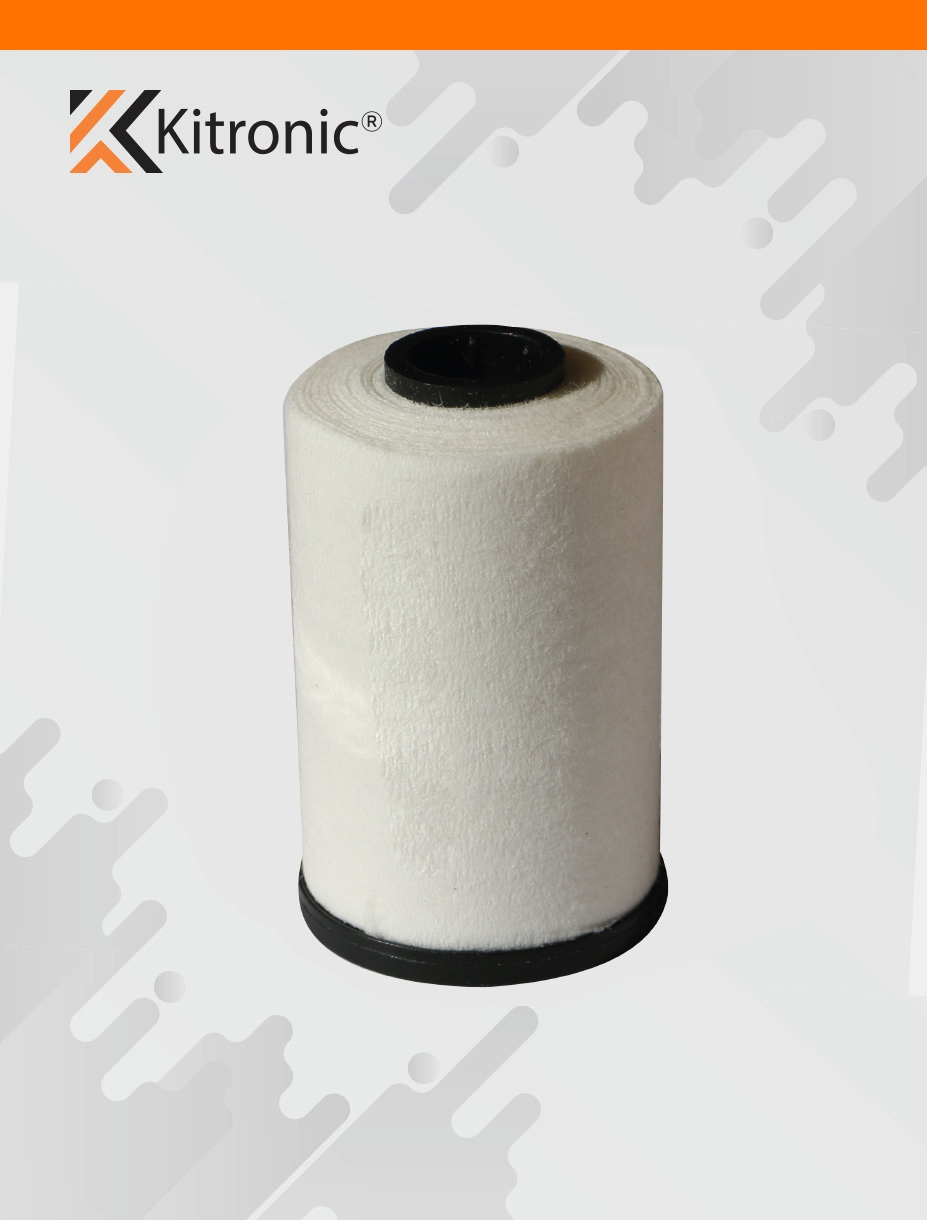
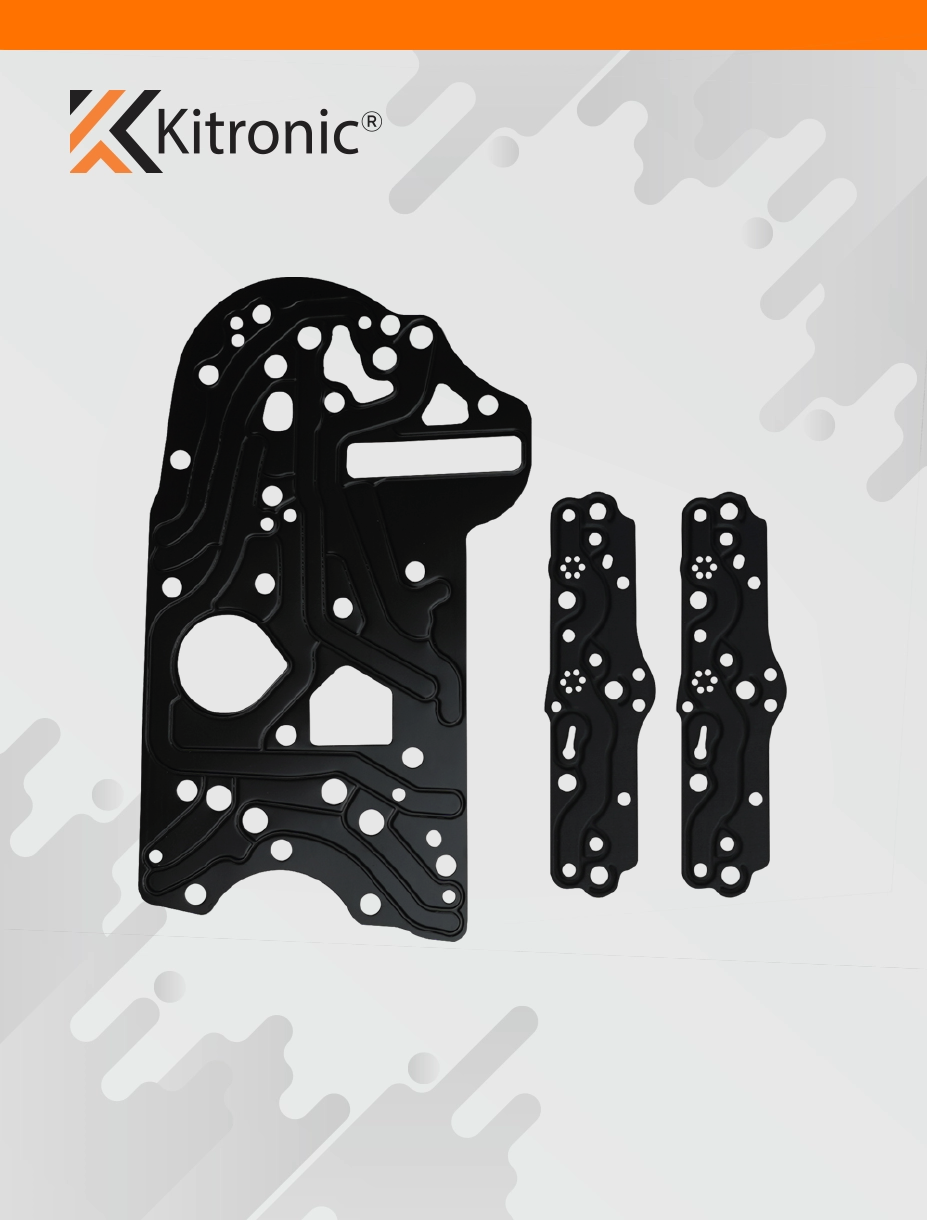
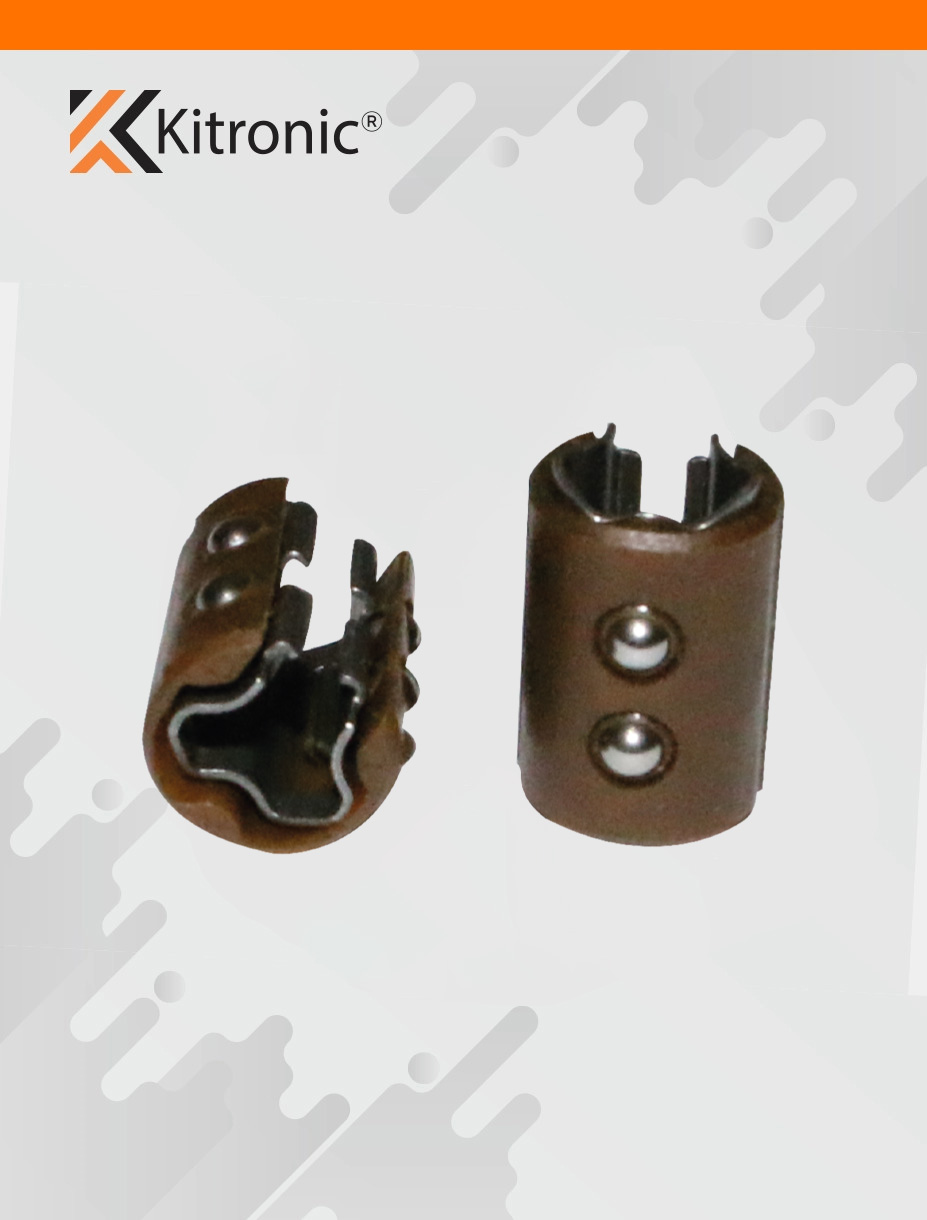
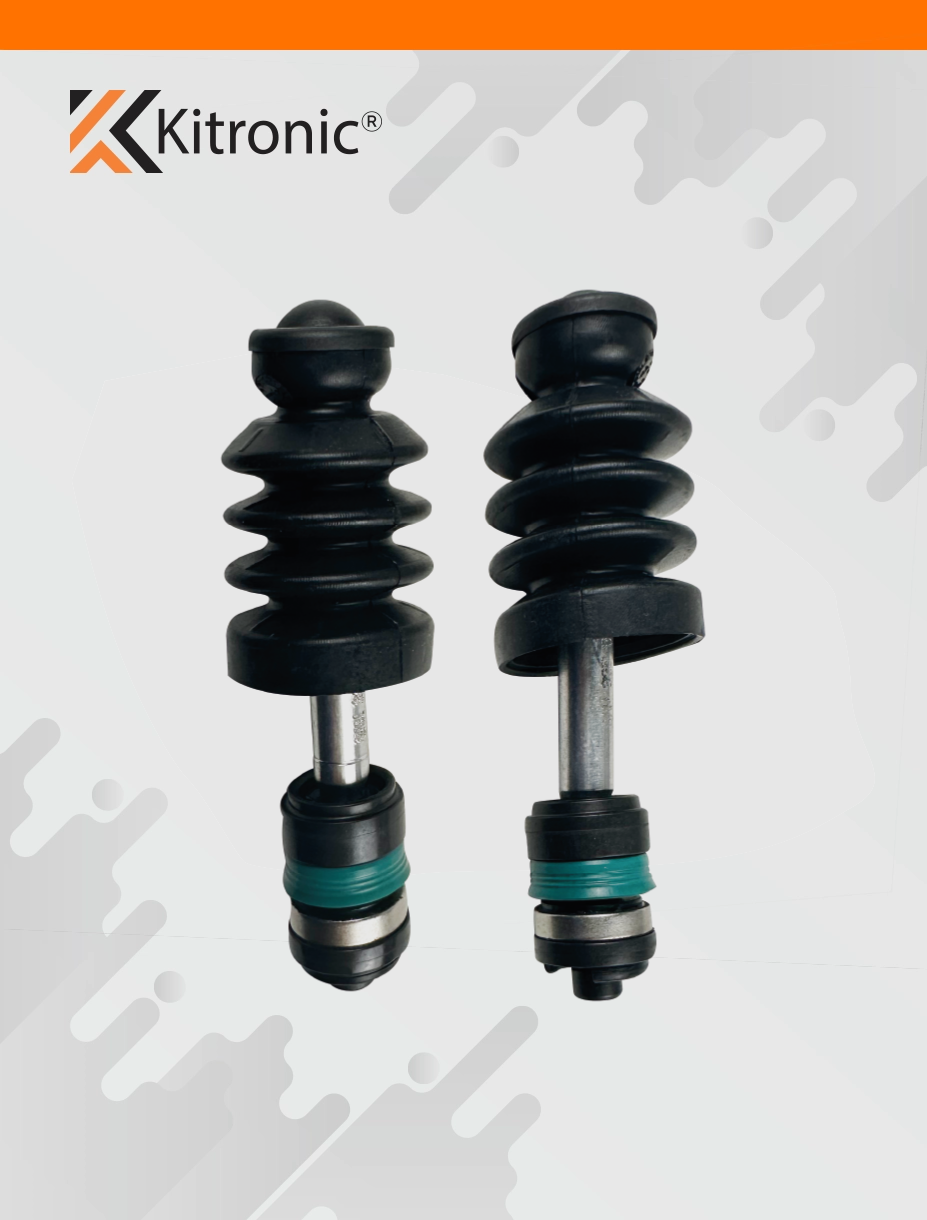
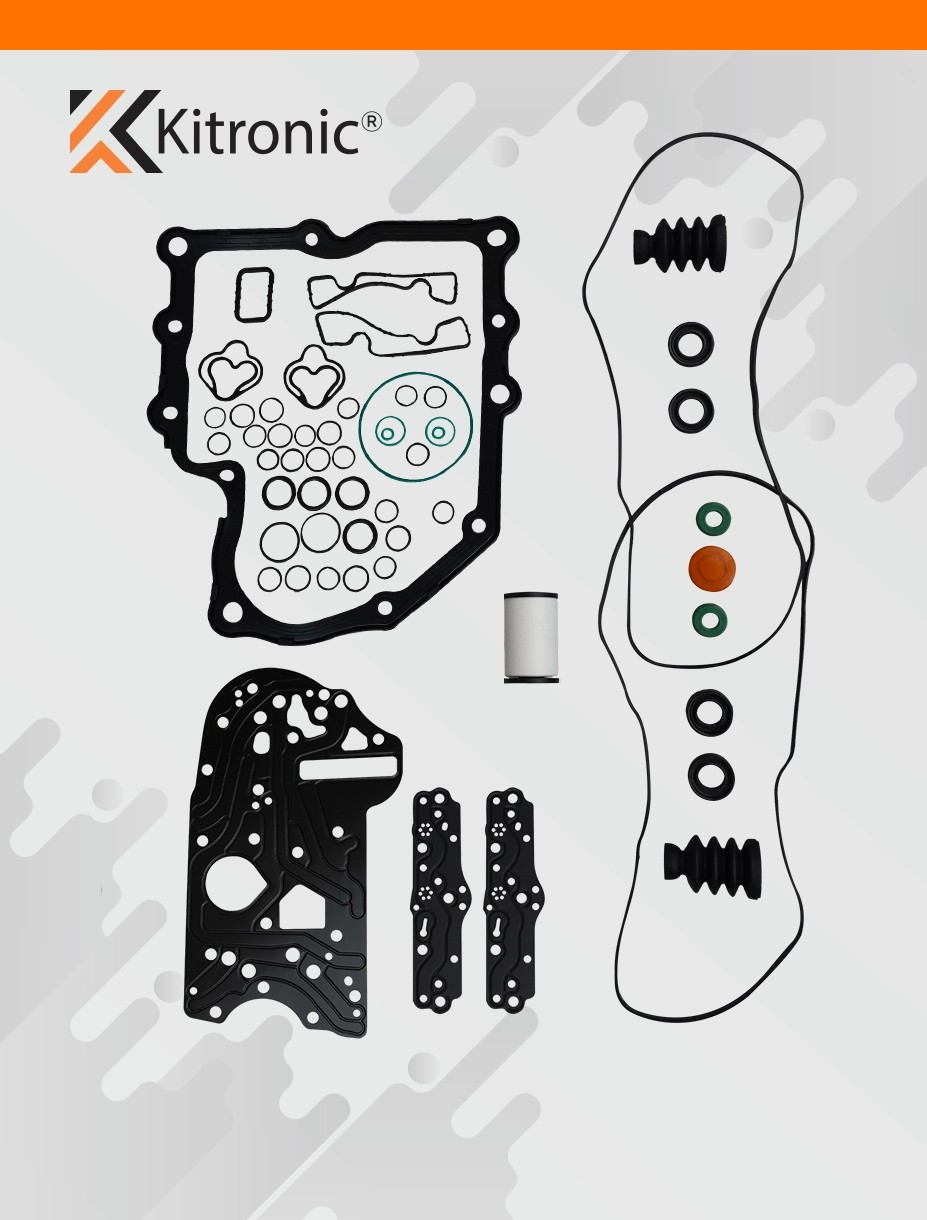
A gasket kit should not be selected by appearance alone. The mechatronic unit, component revision and scope of work influence which kit is needed. Preparing accurate information before ordering helps reduce the risk of missing or incompatible parts.
Identify the application first
Check the gearbox code and existing unit’s part number as well as the vehicle model. Similar-looking kits may suit different applications. Verify full reference numbers and manufacturer information; a photograph alone is not proof of compatibility.
Compare the kit contents
The name gasket kit does not mean every supplier includes the same components. Read the description and item list. Confirm whether an O-ring, shaped gasket or other required component is supplied. Clarify any difference between the image and description before ordering.
Sealing surfaces matter too
A new sealing component alone does not guarantee the result. Damage to a contact surface, the condition of a connection or incorrect application can affect sealing. Surface assessment and installation should follow the service procedure for the particular unit.
Confirm materials and operating conditions
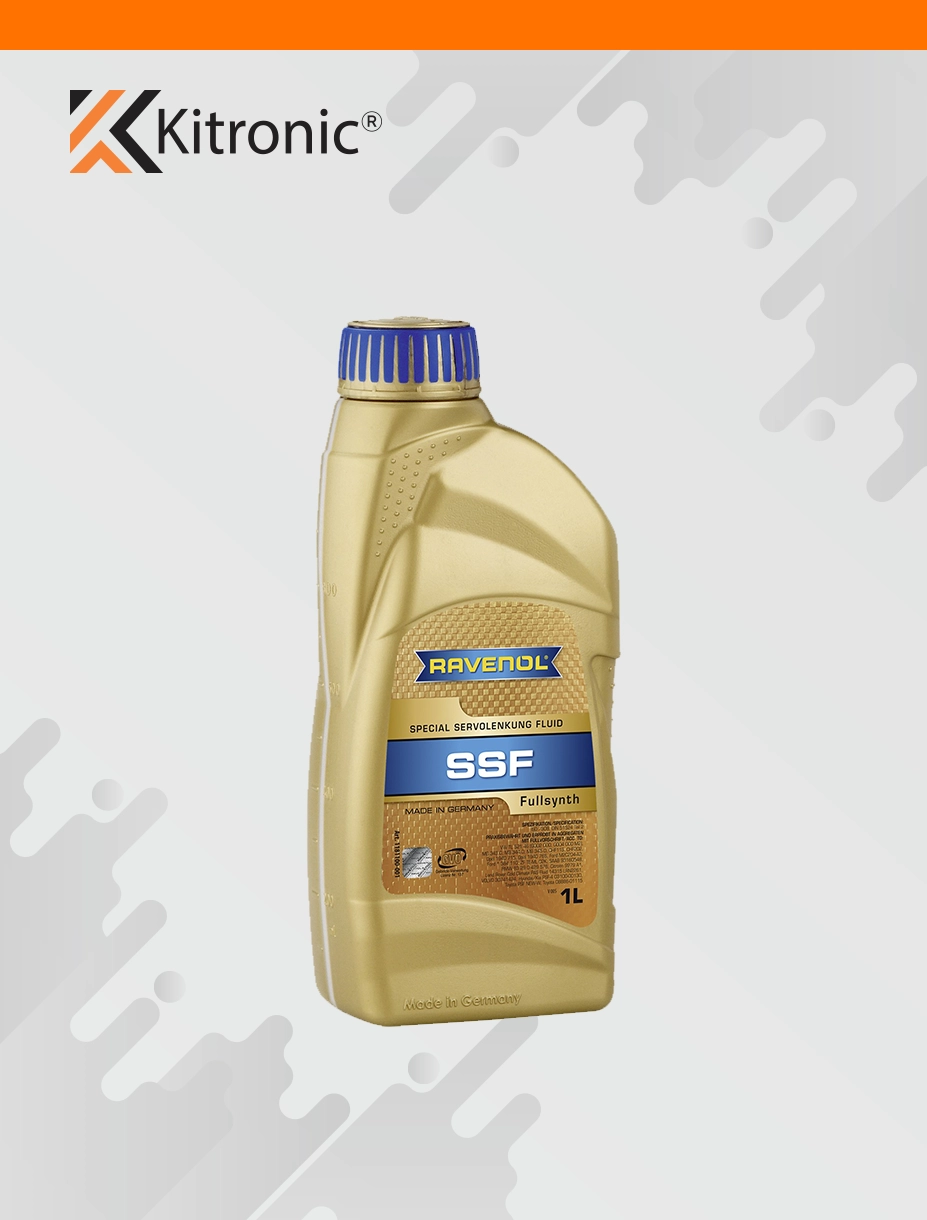
The component must be compatible with the relevant fluid and operating conditions. Choose a product with a confirmed application rather than an unspecified seal. Decisions such as using additional sealant should follow service instructions instead of generic advice.
Record the work and complete the checks
Record the work performed, product codes used and workshop assessment. Follow the relevant service procedure for checks and acceptance criteria. Replacing gaskets does not mean faults in other system components have also been resolved.